
Pokies Machines History Australia and the Modern Player’s Guide
The story behind pokies machines history Australia is a long one, stretching from mechanical reels on the Gold Coast to digital screens in local pubs. Today, the landscape is complex, with state-based regulations governing where and how adults can play. This piece examines that evolution alongside a practical look at how modern operators handle payments, verification, and player support. We keep things grounded, focusing on what actually matters for an adult player weighing up their options.
From Coin-Operated Machines to Digital Screens

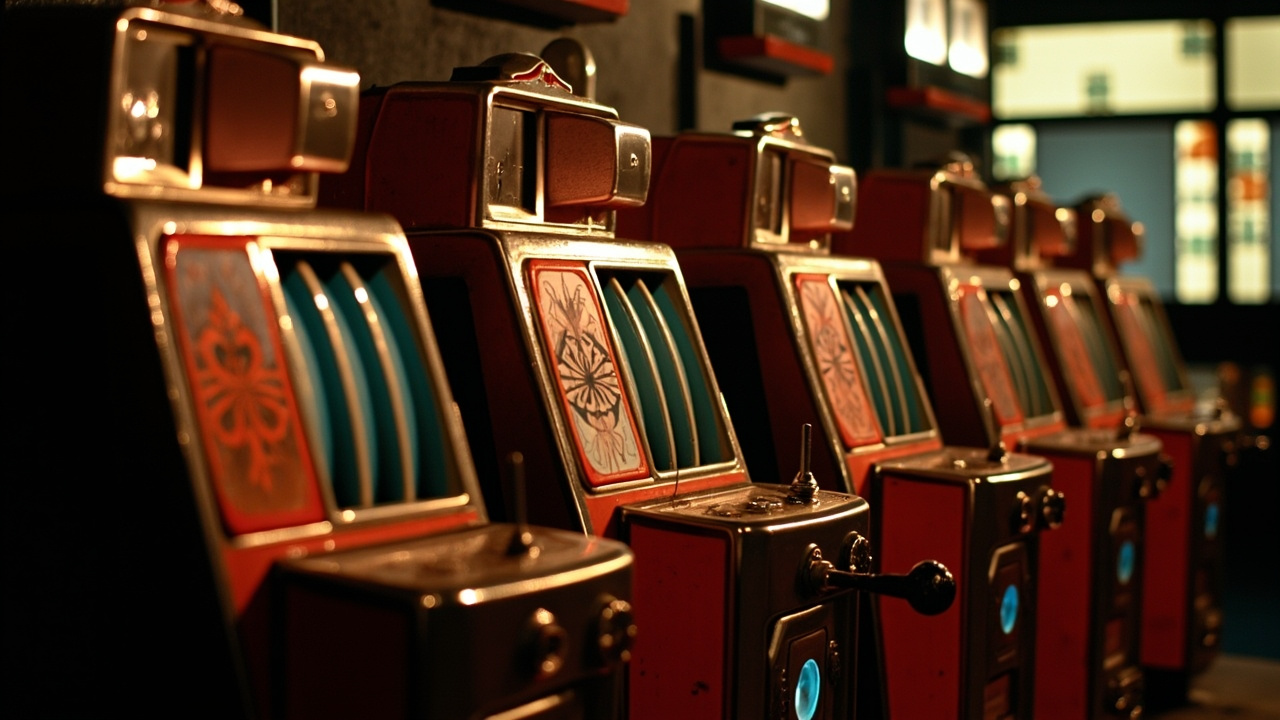
The earliest iterations of pokies machines history Australia date back to the late nineteenth century, when mechanical devices first appeared in hotels and social clubs. These machines relied on physical reels and levers, a stark contrast to the video screens dominating floors today. Over decades, the technology shifted, but the core appeal remained consistent: a simple interface with immediate feedback. In regional hubs like the Gold Coast, the presence of these machines became woven into the local social fabric, particularly in the arvo when crowds gathered at licensed venues. A journalist once asked an industry veteran how the transition affected player behaviour. The expert replied that while screens allowed for more complex themes, the fundamental psychology of near-misses stayed the same. That observation holds weight when considering how modern platforms design their interfaces. Players who understand this history often spot which features are genuine innovations and which are merely cosmetic updates. The shift also changed maintenance and compliance, requiring stricter oversight from state regulators. For anyone tracking the industry, recognising these milestones helps separate marketing hype from real operational changes.
Verification, Licences, and Operational Reality
Before discussing bonuses or games, a conservative professional would insist on checking the operator’s licence and verification flow. Reputable platforms require identity checks before allowing withdrawals, a step that protects both the player and the business. Currency handling matters too; most Australian-facing sites process in AUD, though some may display other denominations. Processing times vary by method, with e-wallets often faster than bank transfers. A journalist noted that some players feel verification delays are frustrating. The expert countered that thorough checks prevent fraud and ensure compliance with local laws. That judgement call is worth remembering when an operator promises instant access without proper documentation. Below is a snapshot of common payment flows found in this sector.
| Method | Typical Processing | Verification Required |
|---|---|---|
| Credit/Debit Card | 1-3 business days | Yes, before withdrawal |
| E-wallet | Minutes to hours | Yes, before withdrawal |
| Bank Transfer | 2-5 business days | Yes, before withdrawal |
Players should treat any platform that skips these steps with caution, especially when real money is involved.
Payment Flow, Limits, and Cashier Practicalities
The cashier section is where many players form their lasting impression of an operator. A well-structured deposit flow should be clear, with displayed limits and no hidden fees. Withdrawal requests typically undergo a review period, and processing speed depends on the chosen method. Some platforms impose daily or weekly limits, which can affect high-volume players. A journalist asked whether low limits signal a smaller operation. The expert explained that limits often reflect risk management rather than size, and that transparency about them is a better indicator of reliability. When reading terms, look for explicit statements about currency conversion, processing windows, and verification triggers. Players who plan to move funds regularly should test the flow with a modest deposit first. That approach reveals whether the interface is intuitive and whether support responds promptly. It also helps confirm that the platform’s claims match the actual experience. A practical read of the cashier terms often tells you more than a promotional banner ever could. Gunaydinkocaeli
Game Selection, Providers, and Player Fit
Beyond payments, the game library and provider lineup shape the overall experience. Modern pokies machines history Australia platforms often feature titles from multiple developers, each with distinct mechanics and volatility profiles. Bonus structures vary widely, from match offers to free spins with specific wagering requirements. A journalist wondered how players should weigh bonus terms against game variety. The expert suggested focusing on clarity: straightforward requirements and a library that matches personal preferences matter more than a long list of titles. Loyalty programs can add value, but their worth depends on how points convert and whether redemption is straightforward. Mobile access is now standard, though performance can differ between browsers and dedicated apps. Support channels should be reachable during local hours, with clear response times. When assessing fit, a player might consider whether the platform’s pace, themes, and payment options align with their habits. The Gold Coast crowd, for instance, often favours quick sessions during a busy weekend, so efficiency matters. Ultimately, the right choice balances entertainment with operational transparency. Players who weigh these factors carefully tend to have a smoother experience over time.
If you want to try a themed title that echoes classic mechanical roots, you can play wanted dead or a wild on a licensed platform that meets your local requirements. For readers curious about how modern interactive formats compare, this related article on 3D slots and Plinko offers a useful contrast. Either way, keep your expectations realistic, verify the operator’s credentials, and treat every session as entertainment rather than a guaranteed outcome. play wanted dead or a wild