
A Comprehensive Manual for Utilizing Mots-C to Enhance Metabolic Wellness
If you are exploring a recovery-and-metabolism combination, our clinicians can explain the trade-offs — see our CJC-1295/Ipamorelin therapy page. Because MOTS-c targets metabolism while CJC-1295/Ipamorelin works on the growth-hormone axis for recovery and body composition, some protocols pair them. In theory they are complementary, but both are investigational, human stack data are absent, and combining two experimental peptides compounds uncertainty. SS-31 (elamipretide) is sometimes discussed with MOTS-c because the two act on mitochondria through different mechanisms — MOTS-c via AMPK signaling, SS-31 by stabilizing the inner mitochondrial membrane. MOTS-c is frequently discussed alongside other peptides in “stacks.” Stacking multiplies both potential benefit and potential risk, and should only be designed by a clinician. Minor redness, itching, or a small bruise is common and usually resolves within a day or two.
Experimental design that isolates one pathway at a time — for example, using selective AMPK inhibitors to determine which downstream effects are AMPK-dependent versus AMPK-independent — is generally more informative than protocols that measure a single downstream readout and attribute it to MOTS-c’s mechanism as a whole. Researchers interested in the longevity and cellular-aging research context specifically may also find it useful to review comparative material on telomere-linked longevity peptides for a sense of how MOTS-c’s mitochondrial mechanism differs conceptually from nuclear, telomere-linked longevity research peptides. Because MOTS-c is itself a mitochondrially encoded peptide with reported nuclear-signaling activity, it is a natural subject of investigation for researchers studying whether and how MDPs participate in, or are regulated by, UPRmt-linked stress signaling. In research models, MOTS-c has been characterized as an activator of AMPK signaling, placing it conceptually alongside a small number of other peptides and small molecules studied for their ability to engage this same energy-sensing pathway.
At 5 mg per mL, anything above 5 mg no longer fits inside a single 1 mL syringe, so a 7.
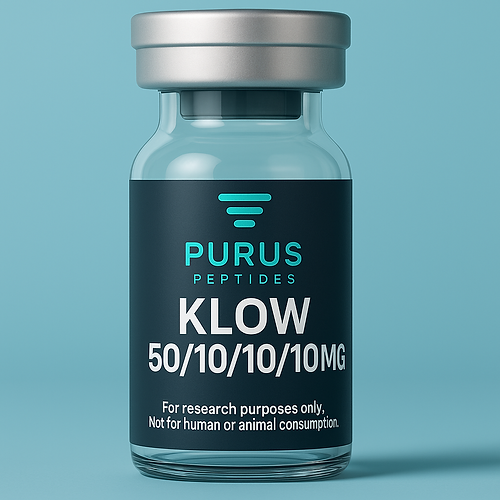
5 mg amount becomes two draws and a 10 mg amount empties the vial across two. It does not hold up for a month the way sturdier compounds do. More milligrams does not reliably produce more effect with this compound, and the dose-related side effects sit at the top of the range, not the bottom. Escalation without cause is the most common protocol error described in the literature and in user reports. That lower range is user-reported, not from a trial.
Human dosing data is extremely limited – a small number of early-stage human studies have explored total doses in the 5–10 mg range, but these are highly preliminary and do not constitute validated clinical protocols. No established optimal cycling protocol exists in humans. The cycling rationale differs from MOTS-c’s pharmaceutical cousin metformin, which is taken continuously. Improved carbohydrate tolerance and reduced post-meal energy crashes are commonly reported. While both are studied in overlapping mitochondrial and cellular-energy research contexts, MOTS-c is a signaling peptide with a specific mitochondrial genomic origin and a reported AMPK/nuclear-signaling mechanism, whereas NAD+ precursor research (such as work involving NAD+ itself) concerns coenzyme availability for a broad class of NAD+-dependent enzymes. Two of the most common comparative questions researchers bring to MOTS-c involve its relationship to NAD+-pathway research and to 5-Amino-1MQ.
Their COAs are batch-specific and publicly accessible, which is the standard researchers should require from any source. This is the complete protocol as described above — retatrutide at titrated doses plus MOTS-c at 5 mg, 3x/week. Not every research context calls for the full retatrutide + MOTS-c combination at maximum intensity. MOTS-c acts on AMPK, the same energy sensor metformin touches, so adding it to retatrutide in a deep calorie deficit is a plausible setup for lows.
The „Exercise Mimetic“ Research

What exists are extrapolations from research doses used in studies, adjusted for human body weight, and protocols developed by compounding pharmacies and clinical practices working in the longevity space. More recently, researchers have shown that MOTS-C can enter the nucleus and directly regulate gene expression — essentially acting like a hormone as well as a signaling peptide. This triggers glucose uptake independent of insulin — which is a big deal for anyone with insulin resistance or metabolic dysfunction. MOTS-C (Mitochondrial Open Reading Frame of the 12S rRNA type-C) was first identified in 2015 by researchers at USC — specifically by Pinchas Cohen’s lab, which has become one of the leading groups in mitochondrial peptide research.
Determine if you truly require additional amounts.
Animal studies show improved endurance, enhanced fat oxidation, and better glucose metabolism in MOTS-C-treated subjects. MOTS-C is frequently described as an exercise mimetic because it activates AMPK and several other metabolic pathways that are engaged during physical exercise. Some longevity researchers hypothesize that restoring MOTS-C levels may slow aspects of metabolic aging, though human clinical data is still limited. It acts as a metabolic regulator and is often called an exercise mimetic because it activates pathways similar to physical exercise. MOTS-C was only discovered in 2015; long-term safety data in humans is still being established. Injection site discomfort or rednessMild nauseaTemporary flushing or warmthHeadache (uncommon)
MOTS-c works by activating AMPK — the same broad territory metformin operates in — and by increasing glucose uptake into muscle. If you take metformin, insulin, or a sulfonylurea. The analog trial found its 25 mg dose well tolerated over four weeks in twenty people, with injection-site reactions the notable issue, and that is the entirety of the controlled human safety record for anything in this class. The schedule people follow was inherited from a mouse study; the amount was not. Whether the common dose reflects sensible caution or is simply too low to do anything is not known.
Other AMPK-active compounds and stimulants should be reviewed with a prescriber. The most clinically relevant interaction concern is with glucose-lowering agents (insulin, sulfonylureas, GLP-1 medications, metformin), where additive effects on blood sugar are plausible. That said, the long-term safety of MOTS-c in humans is genuinely unknown, and reported side effects come largely from clinical use and self-report rather than large trials. First, receptor and signaling systems can adapt to constant stimulation; intermittent exposure is a hedge against diminishing returns, though this has not been formally quantified for MOTS-c in humans. For multi-day-per-week schedules, spacing doses evenly (for example, Monday/Wednesday/Friday, or five weekday mornings) helps maintain steady exposure. Plain sterile water contains no preservative and is intended for single use; a vial mixed with it should be used immediately and discarded, making it impractical for a multi-dose peptide.
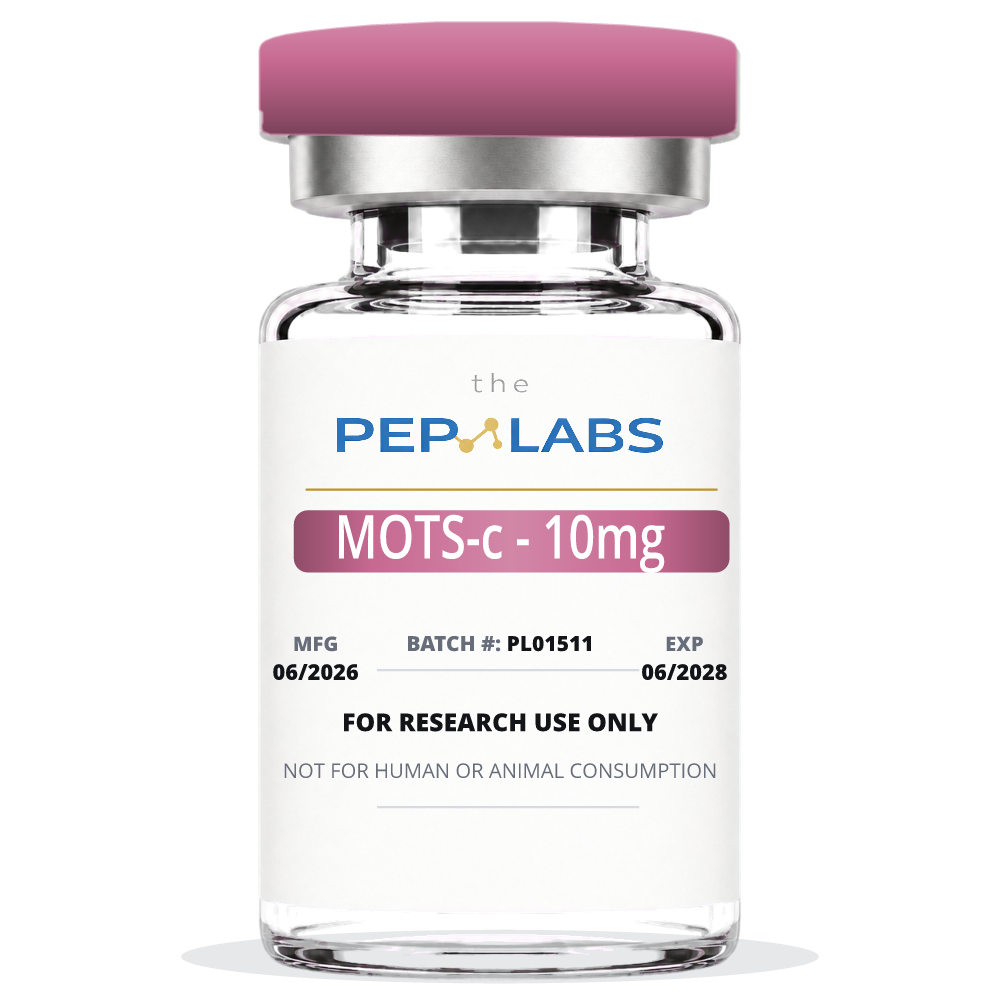
While some individuals thrive on 10mg, many find that 5mg is generally cleaner and more tolerable. Typically, a regimen involves 2-3 injections per week, which is sufficient for a well-structured cycle. When a compound is not properly dosed, poorly managed, or unstable, the peptide often receives the blame rather than the source itself. Since MOTS-c can have subtle effects, objective markers are more significant than subjective feelings. Common choices include the abdomen, lower belly, or thigh. Although the procedure is simple, mistakes in peptide handling frequently occur, most of which are preventable.
In July 2026, the FDA advisory panel voted to remove restrictions on MOTS-c, one of six peptides, suggesting that further human studies may soon take place. The results are similar to those of a 2023 study involving humans, which indicated that a higher serum concentration of MOTS-c was linked to increased muscle mass, strength, and power during jumping in healthy participants.